Lawn care
Planning a Made-to-Measure Tree Project: Key Questions
The right questions turn a vague tree-care idea into a plan you can trust. Here's what to ask before a crew ever shows up on your property.
By Bartlett Tree Experts5 min read
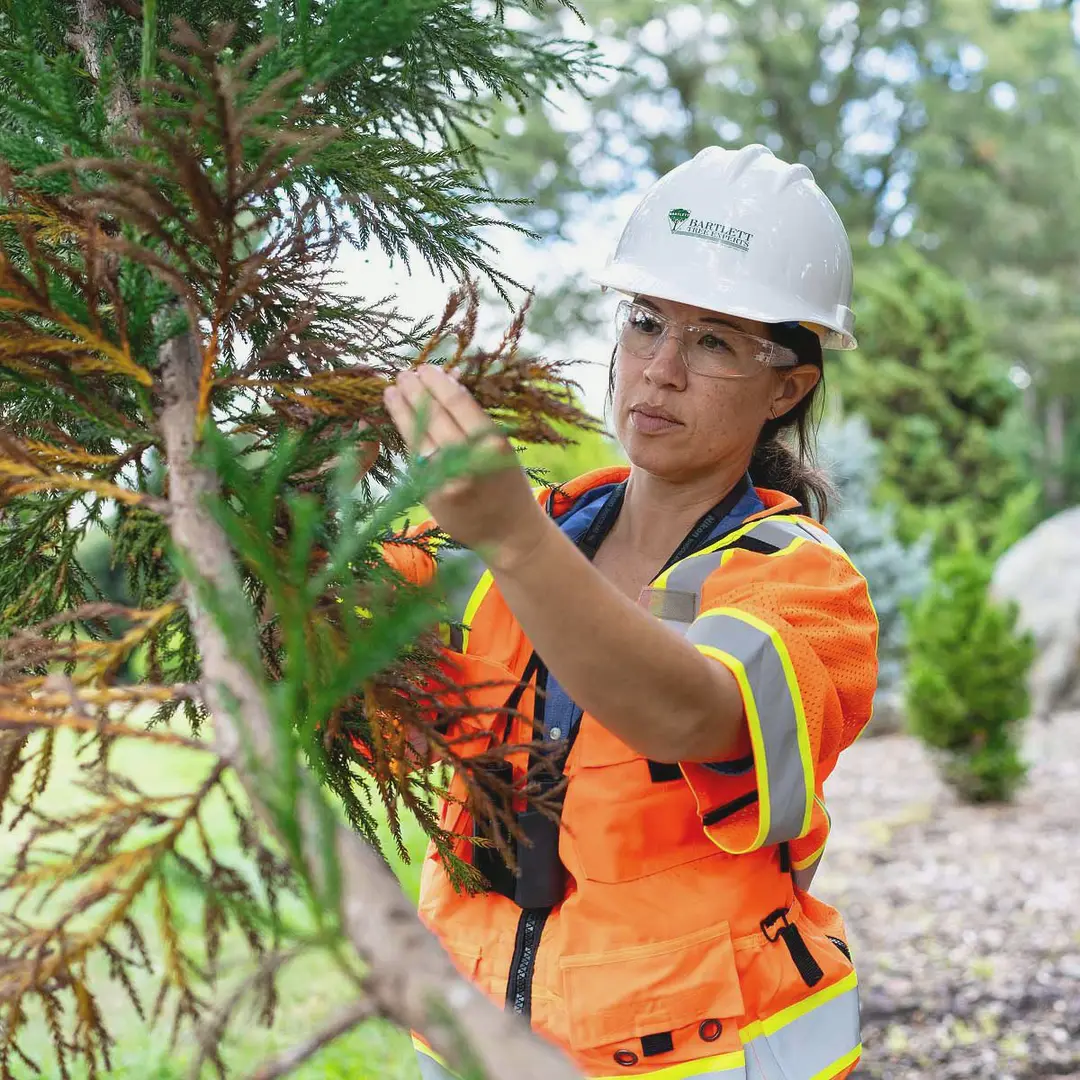
A made-to-measure tree project is a plan built around one specific site: your soil, your canopy, your access points, your risk tolerance. Before work starts, you want answers on diagnosis, timing, crew credentials, pruning limits, and what happens if a tree can't be saved. Ask those, and the rest of the plan writes itself.
At Bartlett Tree Experts, we spend as much time on the first conversation as we do on the chainsaw. That's deliberate. A tailored plan lives or dies on what gets asked up front.
What should we ask about the diagnosis before any work begins?
Most people ask first about price. That's the wrong first question. Ask about the failure rate of the species on your soil, the pest pressure in your zip code, and whether the symptom you're seeing is the cause or a downstream effect.
A homeowner calls, convinced the oak out front needs removal. Yellowing leaves, thin canopy, obvious decline. The lab work points to root compaction from a driveway pour two seasons back. The tree doesn't need a saw. It needs a soil decompaction plan and targeted fertilization. That changes the whole project.
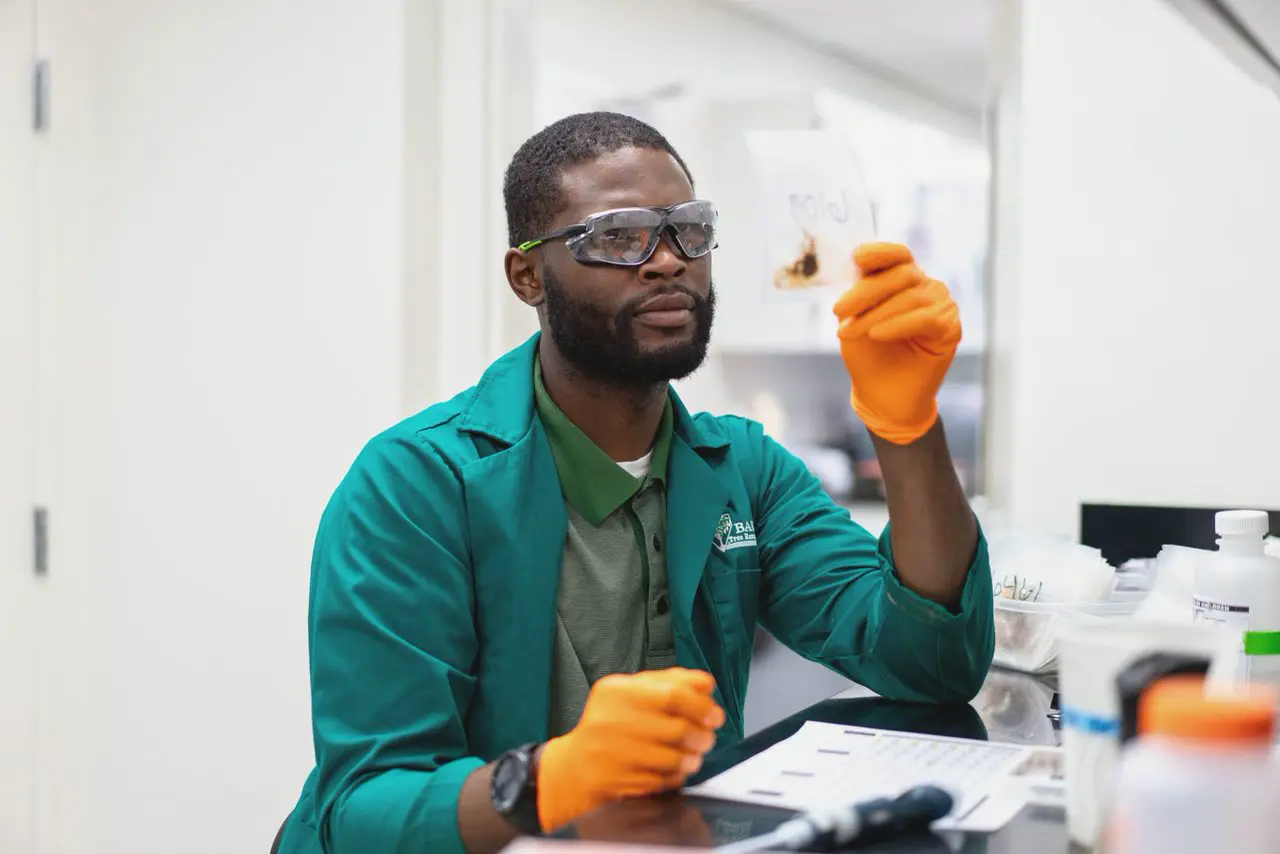
Our ISA certified arborists work from samples when the eye isn't enough. The Bartlett Tree Research Laboratories process thousands of plant and soil samples each year, and that diagnostic depth is what lets a plan actually fit the tree in front of us. If you want to understand how this fits into a broader workflow, our walkthrough on how a made-to-measure project runs covers the sequence.
How do we know the crew is qualified for the work?
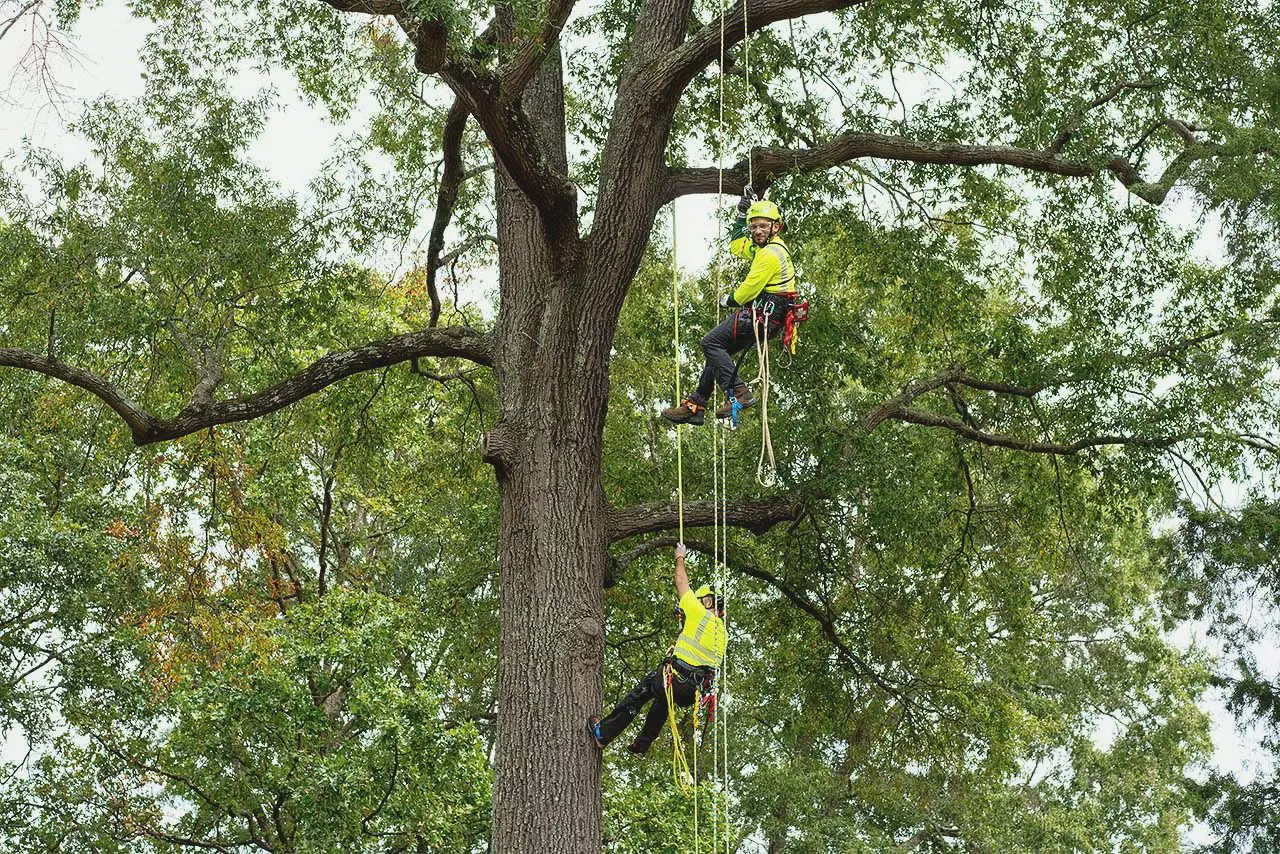
Credentials aren't decoration. On a technical removal near power lines or structures, they're the difference between a clean job and a claim.
Ask these before you sign anything:
- Are the climbers and ground staff supervised by a certified arborist on site, not just on paper?
- Does the company carry a current certificate of insurance it will send directly to you, not forward from the customer?
- What's the firm's safety record over the last several years, and can they name specific industry awards?
- Who diagnoses the problem, and is that person different from the person selling the job?
- What training does the crew receive on tree biology, not just cutting technique?
- If a complication appears mid-job, who has authority to pause and re-scope?
The International Society of Arboriculture publishes guidance on hiring qualified tree care, and it's worth reading before any contractor steps on your property [1].
When is pruning the answer, and when is it removal?
This is where owners and arborists disagree most. The reflex is to prune aggressively, "open it up," take the risk off. Sometimes that's right. Often it isn't.
Over-thinning a mature tree exposes interior branches to sunscald, triggers water sprouts, and can accelerate the decline you were trying to prevent. The American National Standards Institute's A300 pruning standards cap how much live canopy should come off a mature tree in a single pass, and reputable crews follow those limits [2]. If a company offers to "top" your tree, walk away.
| Option | Best for | When not to choose it | Typical outlook |
|---|---|---|---|
| Structural pruning | Young to mid-age trees with correctable form | Advanced decay in the trunk | Long-term canopy health |
| Crown reduction | Mature trees with clearance or wind-sail issues | Species that respond poorly to large cuts | Measured risk reduction |
| Cabling and bracing | Valuable trees with structural defects | Trees already failing at the root plate | Years of extended life |
| Removal | Hazard trees, dead trees, wrong-species-wrong-place | Anything a specialist hasn't assessed | Site reset, replant option |
For the groundwork that makes any of these decisions easier, see our note on how to prepare for the measurement visit.
What questions protect us after the job is done?
Ask about aftercare in the same breath as the quote. A pruning cut is a wound. A planting is a transplant. Both need follow-up.
Try this: write down the three things that could go wrong in the first year, and ask the arborist how each is handled. Soil settlement around a new tree. Suckering below a graft. Pest arrival on freshly stressed wood. If the answers are vague, the plan is vague.
We also recommend asking who you call when something looks off. One number. One person who knows your file. That continuity is why Bartlett Tree Experts keeps diagnostic notes on every site we touch.
FAQ
How long should a made-to-measure tree plan take to scope?
For a residential property, expect one site visit plus follow-up for lab results if samples are taken. Complex commercial sites or multi-tree estates take longer. Rushing the scoping phase is the single most common reason a tree project disappoints later.
Do we need samples sent to a lab for every project?
No. Routine pruning and standard planting rarely need lab work. Samples matter when symptoms are ambiguous, when a valuable tree is in decline, or when soil chemistry is suspected. Our arborists at Bartlett Tree Experts will tell you when it's genuinely useful and when it isn't.
Can we stage a large project over multiple seasons?
Yes, and often we recommend it. Spreading structural pruning across two or three dormant seasons is gentler on mature trees than one aggressive cut. Planting, soil work, and pest management also follow seasonal windows. A good plan maps those windows out before the first invoice.
What if we disagree with the arborist's recommendation?
Say so. A tailored plan should survive pushback. If you want a second opinion, get one. We'd rather you ask hard questions now than regret a cut later. Reach us at (713) 692-6371 or at 5612 Mitchelldale Street in Houston.