Lawn care
Before the Measurement Visit: How to Prepare Your Yard
What to clear, note and ask before our arborist arrives for a measurement visit. A short prep guide from Bartlett Tree Experts in Houston.
By Bartlett Tree Experts5 min read
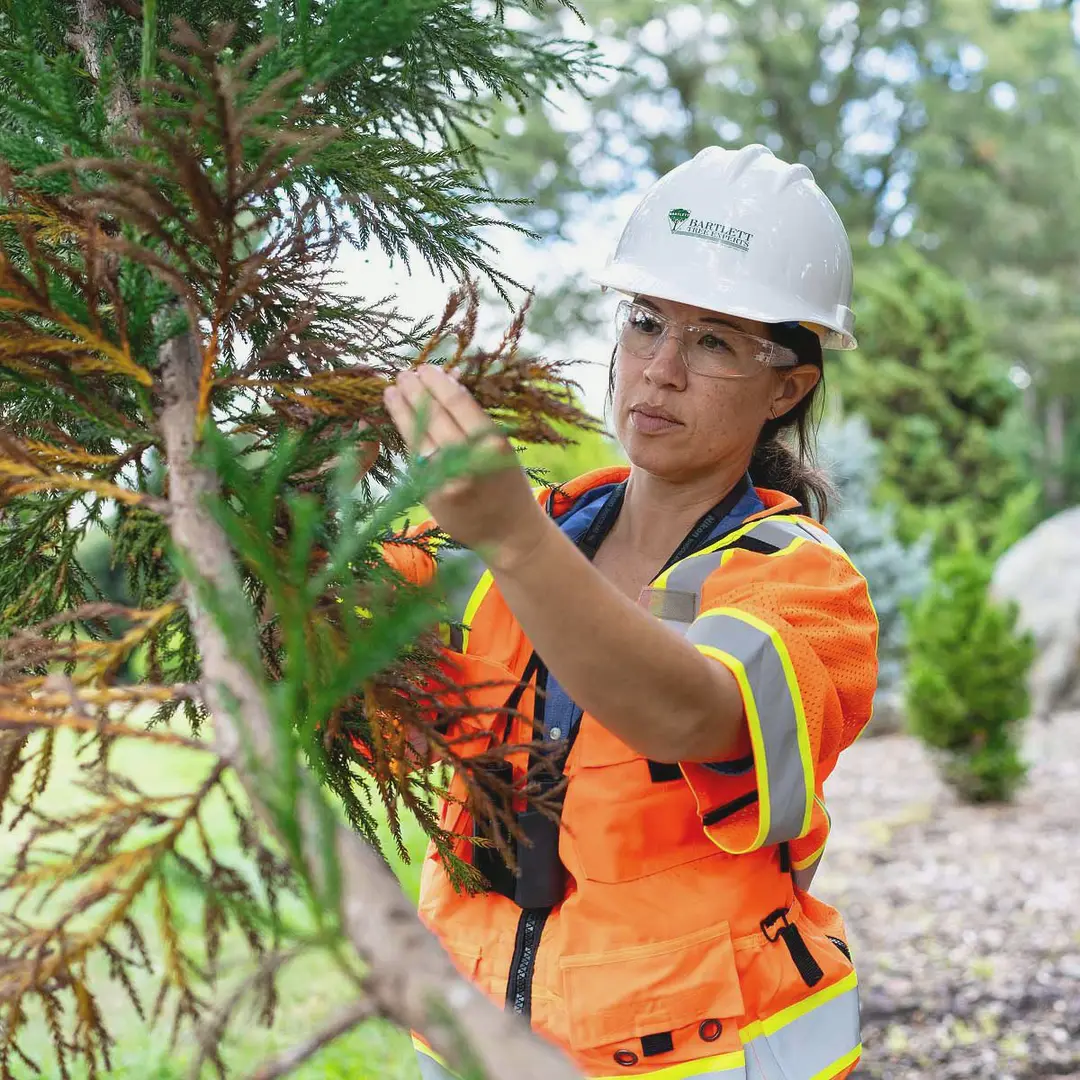
A measurement visit is the on-site survey where our arborist walks your property, measures canopies, checks soil and access, and listens to what you want from the trees. To prepare, clear access to each tree, mark underground utilities if you know them, gather property plans if you have them, and write down the problems you've noticed.
What should we actually do the day before?
Walk the yard once with fresh eyes. Pick up kids' toys, move the trash bins, unlock the side gate. Our arborist needs to reach every trunk with a tape, a probe and sometimes a resistograph, so a path matters more than a tidy flowerbed.
Then jot a short list of what's bothering you. A branch over the roof. A limb that drops sap on the car. A tree that leafed out late this spring. Specific complaints beat general worry every time, and they shape the diagnostic plan long before anyone quotes a price.
If you have a site plan, septic diagram or irrigation map, set them out. Underground utilities matter too. Call 811 if you're unsure where lines run. We'd rather measure around a gas line than find it the hard way.
Why does site access change the recommendation?
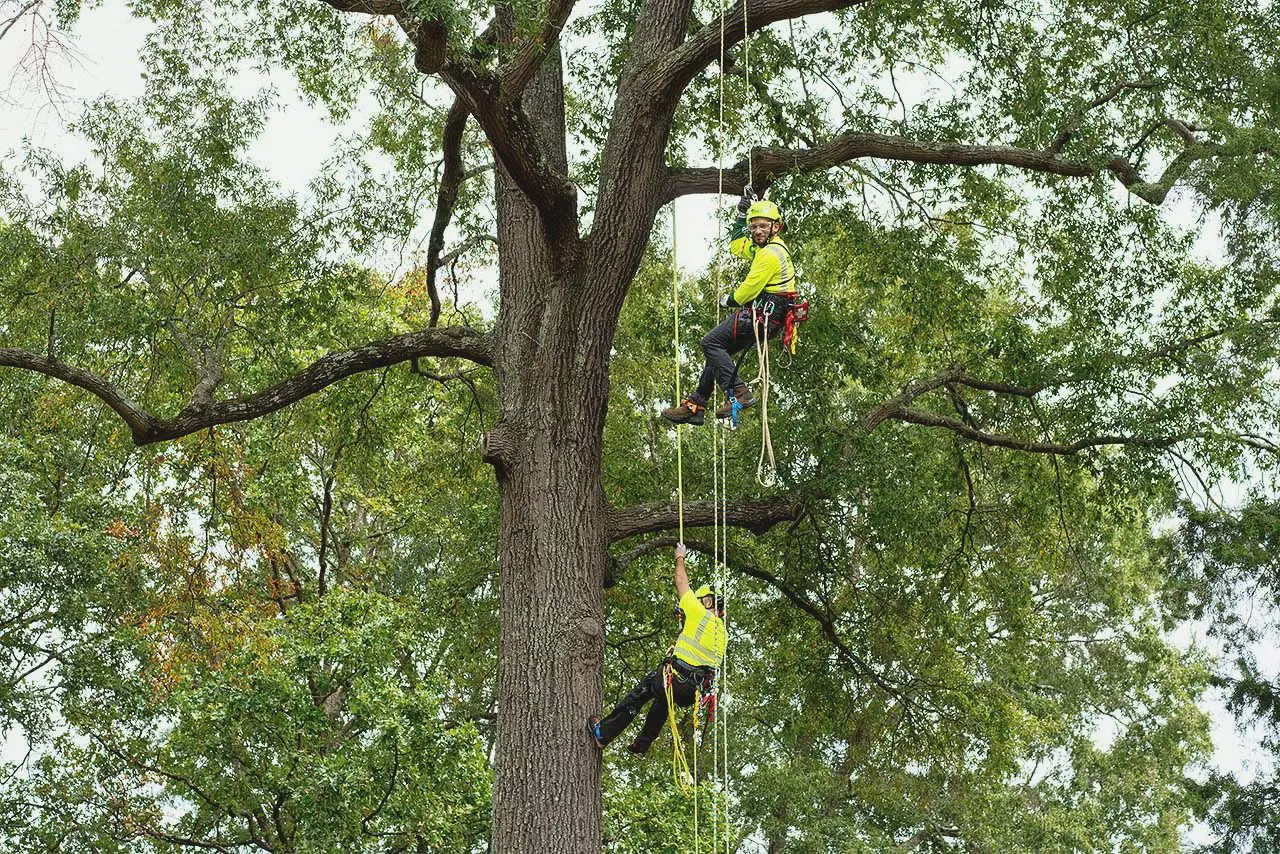
Because access decides equipment, and equipment decides cost. A tree a lift truck can reach is a different job from a tree reached only by climbing. A back-yard crane pick needs clear overhead space and a staging area. If a fence panel can come out, say so. If the neighbor allows access from their drive, mention it.
Here's the contradiction most homeowners don't expect. The biggest cost driver usually isn't the tree. It's the twenty feet between the tree and the truck. Our team at Bartlett Tree Experts has walked plenty of jobs where moving one patio planter saved an hour of rigging.
For the full arc from first call to finished work, our guide on how a made-to-measure project runs covers what happens after the measurement is done.
What information helps our arborist most?
Bring context the eye can't catch in one visit. A tree's history tells us what to look for in the canopy and the root zone. The International Society of Arboriculture notes that construction damage and soil compaction often show symptoms years after the fact [1], so your memory of past work on the site is genuinely useful.
Have these ready if you can:
- The approximate age of any tree you planted yourself, or when you moved in.
- Any recent construction, trenching, grading or driveway work near the roots.
- Watering habits during the last two summers, including irrigation zones.
- Fertilizer, herbicide or weed-and-feed products applied to the lawn.
- Storms, lightning strikes or limb failures you remember from the past few seasons.
- Pest or disease treatments done by another company, with product names if you kept the paperwork.
- Photos of the tree in full leaf, if the visit falls in winter.
A typical scenario: a homeowner is sure a declining oak needs removal. The arborist probes the root flare, finds mulch piled a foot up the trunk, and the plan shifts to root-collar excavation and soil care. Different tree, same yard, cheaper outcome.
How do we decide what to ask our arborist?
Ask about the diagnosis before you ask about the quote. The U.S. Forest Service's urban tree care resources make the same point: treatment without diagnosis is guesswork [2]. If you want a longer prompt list, our pillar on questions worth asking before a project is a good warm-up.
Here's a quick comparison of three common visit types so you know what to expect from ours.
| Visit type | Best for | What we bring | What you prepare |
|---|---|---|---|
| Measurement & quote | Pruning, removal, planting | Tape, clinometer, camera | Access, utility notes, wish list |
| Health diagnostic | Decline, pests, poor leaf-out | Probe, hand lens, sample bags | Watering history, past treatments |
| Risk assessment | Trees near structures, pre-storm | Resistograph, mallet, binoculars | Target areas (house, driveway, play) |
Try this before we arrive: stand under each tree for thirty seconds and look straight up. You'll notice deadwood, cracks and crossing limbs you've walked past for years.
FAQ
Do we need to be home for the measurement visit?
Not always, but it helps. If you're there, we can ask about history, show you what we're seeing, and agree on priorities on the spot. If you can't be home, leave gates unlocked, dogs secured, and a written note with your top concerns and a good callback number.
How long does a measurement visit take?
A single-tree visit is usually quick. A full-property walk with several trees, soil checks and a written plan takes longer. We'd rather spend the extra time on-site than guess later. Plan for an unhurried conversation at the end so questions get real answers.
Should we get tree work quoted by more than one company?
Yes, and compare scope, not just price. One quote may include stump grinding, debris haul, and ISA-certified supervision. Another may not. Bartlett Tree Experts prices against the full scope of work and the condition of the tree, which is why a line-by-line comparison matters more than a bottom-line one.
What if it rains on the day of the visit?
Light rain is fine for measuring. Heavy rain, lightning or high wind means we'll reschedule for safety and for accurate readings. Wet bark can hide defects, and soil probes behave differently in saturated ground. We'll call before we head out if the forecast turns.